Halloween Candy Box 3D SVG: Editorial Review
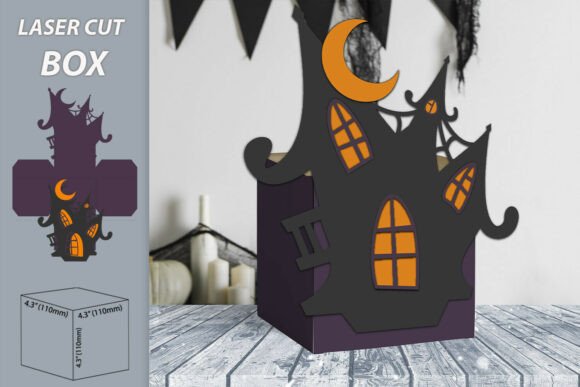
As a digital publisher and blog designer, I constantly evaluate graphic design assets not just for their aesthetic appeal, but for their functional utility in a real content workflow. When reviewing the Halloween Candy Box, Treat Box 3d Paper asset, my first impression is one of structured whimsy. Unlike flat vector illustrations that can sometimes feel generic or overly corporate, this 3D SVG brings a tangible, tactile quality to the screen. It immediately establishes an editorial mood that is both playful and meticulously crafted, bridging the gap between DIY crafting culture and professional web design.
For content creators in the lifestyle, parenting, or seasonal niche, this asset signals to the reader that the content is hands-on and trustworthy. It avoids the sterile look of stock photography while maintaining the polish required for high-performing blog graphics. The visual weight of the 3D paper construction suggests depth and effort, which subconsciously transfers to the perceived value of your article or digital product. It feels distinctly modern yet nostalgic, making it an ideal anchor for content that aims to inspire creativity without sacrificing readability or site performance.
Strategic Placement in Seasonal Content Workflows
In my publishing workflow, versatility is non-negotiable. The Halloween Candy Box, Treat Box 3d Paper excels because it translates across multiple formats without losing its impact. When designing a website header for a seasonal category page, this asset provides necessary dimension without cluttering the navigation area. It acts as a visual cue that guides users into specific content silos, improving the overall user experience and visual hierarchy.
For social media strategists, this file is particularly valuable for Pinterest pin creation. Pinterest favors vertical imagery with clear focal points and text-friendly negative space. The 3D nature of the treat box creates natural shadows and highlights that make text overlays pop, significantly increasing click-through potential. Furthermore, if you are developing a lead magnet or a printable party planning guide, this asset serves as perfect cover art. It visually represents the physical outcome of the download, reducing friction for users deciding whether to opt-in. Whether used in a Canva template for Instagram stories or as a featured image for an affiliate review post, the asset maintains its integrity and brand alignment.
Enhancing Reader Trust Through Visual Polish
We often discuss content marketing in terms of keywords and backlinks, but visual trust is equally critical for conversion. A sloppy or pixelated graphic can undermine even the most well-researched article. This printable design asset supports content performance by elevating the perceived professionalism of the page. When a reader lands on a tutorial featuring this crisp, dimensional graphic, they are more likely to trust the instructions and the associated affiliate marketing links.
- Brand Identity: Consistent use of this style across newsletters, blog posts, and social media graphics creates a cohesive seasonal identity that readers recognize instantly.
- Click-Through Rate: The unique 3D perspective stands out in crowded RSS feeds and search results compared to standard flat icons.
- Editorial Quality: It allows small business branding to compete with larger publications by providing boutique-level design aesthetics.
- Versatility: Works equally well for serious crafting tutorials and lighthearted family activity roundups.
By integrating this creative design element, publishers can create a stronger visual narrative. It transforms a standard blog post into an immersive seasonal experience, encouraging longer dwell times and higher engagement rates.
Optimal Environments and Usage Constraints
While the Halloween Candy Box, Treat Box 3d Paper is a robust asset, understanding where it thrives versus where it struggles is key to effective editorial design. This asset performs best as a hero image, a primary thumbnail for video content, or a central element in a digital guide. Its strength lies in its ability to hold attention at medium to large sizes where the paper texture and folding details are visible.
However, publishers should exercise caution when deploying this asset in specific contexts. Avoid using it as a tiny favicon or a secondary bullet point icon; the intricate 3D details will muddy at small resolutions, potentially looking like a rendering error rather than a stylistic choice. Additionally, be mindful of background contrast. Because the asset relies on simulated lighting and shadow for its 3D effect, placing it against a busy or low-contrast background can flatten the image and reduce legibility. It is also less suitable for ultra-minimalist corporate blogs or serious B2B content where playful dimensional graphics might clash with the established tone. Always ensure the surrounding whitespace supports the asset’s need for "breathing room" to maintain its dimensional illusion.
Publisher Notes: Technical Testing and Licensing
Before pushing this asset live to a production environment, I recommend a rigorous testing protocol to ensure it meets professional standards. As experienced designers know, what looks good in a preview window does not always translate to a live modern design layout.
- Cross-Device Preview: Test the graphic on both desktop monitors and mobile screens. Ensure the 3D effect reads clearly on smaller devices and that the file size is optimized for fast loading. Heavy unoptimized SVGs or PNG exports can hurt Core Web Vitals.
- Typography Pairing: Experiment with various font styles. This asset pairs exceptionally well with bold sans-serif headlines for a modern look or handwritten script fonts for a personal touch. Avoid overly ornate display fonts that might compete with the intricate lines of the box.
- Contrast Check: Verify accessibility standards. If overlaying text, ensure there is sufficient contrast ratio. You may need to add a subtle drop shadow or gradient overlay behind the text to maintain readability against the 3D surfaces.
- Monochrome Test: View the asset in black and white. If the form holds up without color, it confirms the structural design is sound and will reproduce well in grayscale printables or e-readers.
- Licensing Verification: Crucially, confirm the commercial license terms before using this on monetized sites. Ensure you have the rights to use it in commercial design projects, paid digital downloads, or client work. Respecting intellectual property protects your business and supports the creative marketplace.
Ultimately, the Halloween Candy Box, Treat Box 3d Paper is more than just a seasonal decoration; it is a strategic tool for digital publishers. By leveraging its unique dimensional qualities, creators can produce content that feels handcrafted yet professionally executed. Whether you are building a content upgrade, designing a newsletter banner, or refreshing your site for October, this asset offers the visual sophistication needed to capture attention and drive engagement. Create something memorable this season by integrating design elements that respect both the art of crafting and the science of digital publishing. Buy now and start your next project today to ensure your seasonal content stands out in a saturated market.