Cow SVG: 3D Layered Mandala Design Review
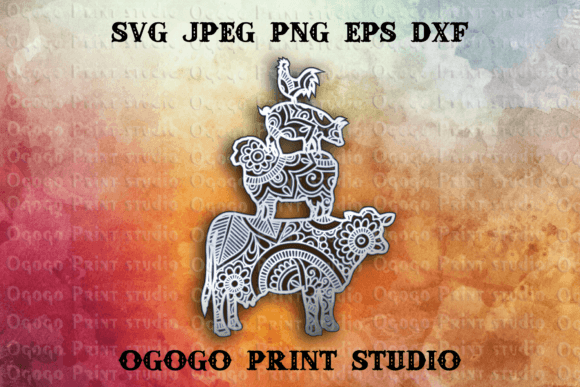
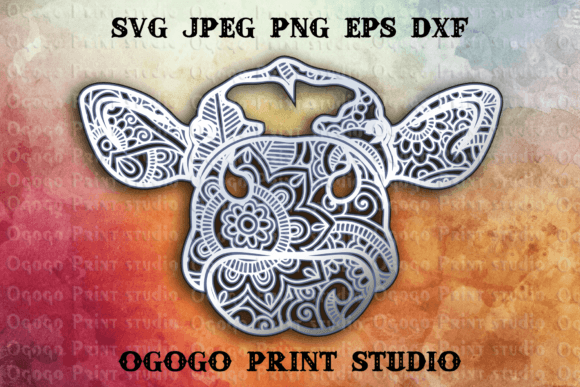
As a designer who bridges the gap between digital vectors and physical textiles, I approach every new file with a specific question: will this actually translate to thread? When evaluating the Cow Svg - 3D Layered Mandala SVG Cut Fil, my first impression was one of intricate balance. This is not merely a flat barnyard clipart; it is a sophisticated fusion of rustic charm and geometric precision. The mandala structure provides a natural framework that guides the eye, while the bovine silhouette offers immediate thematic recognition. For those of us in the craft business or running an Etsy shop, this duality is crucial. It elevates a simple animal motif into something suitable for boutique merchandise rather than just novelty wear.
The description notes this is a three-layer vector cutting file designed for crafters, with a charitable component attached to the purchase. While originally categorized under Shapes and 3D SVG types for cutting machines, my focus here is strictly on its viability as a foundation for machine embroidery design. Translating a layered paper or vinyl concept into stitches requires careful consideration of density and registration. Below is my practical assessment of using this design in real-world production scenarios.
Translating Vector Layers to Stitch Texture
In a digital workspace, layers are clean and distinct. In embroidery, layers mean bulk. When adapting the Cow Svg - 3D Layered Mandala SVG Cut Fil for needlework, you must treat each of the three layers as a separate stitch zone. If you intend to create a true 3D effect using foam or layered fabric, the order of operations is critical. I recommend treating this as an applique design where each layer is tacked down individually before adding decorative elements.
For the mandala portions, avoid using heavy satin stitch borders if you are stacking fabrics. Satin stitches add significant height. Instead, opt for a narrow running stitch or a light fill stitch to secure the edges without creating a ridge that distorts the top layer. The goal is to maintain the visual depth implied by the "3D" label without compromising the structural integrity of the garment. Always verify your stitch density settings; too dense, and the fabric puckers; too sparse, and the layers fail to integrate visually.
Real-World Application: The Custom Tote Bag Test
To truly judge this asset, I mentally prototyped it for a high-use item: a canvas tote bag design. Totes are staples for small shop product lines and make excellent personalized gift items. Canvas has a distinct fabric texture that can swallow fine details. Here, the bold geometry of the cow mandala works in our favor. Unlike delicate floral scripts that might get lost in the weave, the solid shapes of this design provide enough surface area to anchor securely against the canvas grain.
However, because this is a complex composition, placement matters. On a tote, centering the design slightly above the true middle accounts for how the bag sits when carried. If you are selling these as commercial embroidery products, consider how the design interacts with bag seams and pockets. The three-layer nature allows for color blocking that can match brand aesthetics or seasonal themes. For example, using cream, denim blue, and brown thread colors creates a cohesive, earthy palette that appeals to buyers looking for organic, handmade vibes rather than cartoonish farm gear.
Navigating Fabric Limitations and Hoop Constraints
While the design shines on stable substrates like canvas or twill, caution is required for other applications. I would advise against using the full three-layer version on stretchy knits or lightweight baby clothes unless heavily modified. The cumulative weight of three stitched layers plus stabilizer can drag down a t-shirt neckline or distort a onesie. For baby embroidery or sweatshirt embroidery, consider isolating just the central mandala element or reducing the layer count to two to preserve garment drape.
Hoop size is another non-negotiable constraint. Mandalas demand perfect circular tension. If your hoop is too small and requires re-hooping to complete the outer rings, registration marks become essential. Even a millimeter of shift between layers can ruin the symmetry that makes this design special. Before committing to a production run of custom apparel, test the alignment on scrap fabric. Use a high-quality cutaway stabilizer for any project involving multiple layers to prevent tunneling and ensure the final finished product lies flat after washing.
Commercial Viability and Customer Perception
For Etsy sellers and creative entrepreneurs, the value of a digital asset lies in its versatility. The Cow Svg - 3D Layered Mandala SVG Cut Fil scores high here because it avoids trending clichés. It feels timeless. When creating printable mockups or listing photos, emphasize the texture. Customers need to see that this isn't a flat print but a tactile piece of art. Highlighting the dimensional aspect in your product photography builds trust and justifies a higher price point for handmade product listings.
Furthermore, the charitable aspect mentioned in the product description adds a layer of storytelling to your brand. Buyers increasingly support businesses that align with their values. Mentioning that a portion of the original design cost supported charity can be a subtle but powerful detail in your product description, enhancing the perceived value of your embroidered patch or home decor item. Just ensure you have confirmed the licensing terms for commercial use of the finished embroidered goods before listing.
Essential Designer Checklist Before Stitching
Before loading this file into your machine for a client project or inventory build, run through this practical checklist:
- Verify File Compatibility: Ensure the vector paths convert cleanly to your specific embroidery format. Not all auto-digitizing software handles complex mandala curves equally well.
- Contrast Check: Test thread colors against both light and dark backgrounds. A design that pops on white linen might vanish on navy denim without outline adjustments.
- Detail Audit: Inspect the smallest points of the mandala. If they are thinner than 1mm, widen them in your digitizing software to prevent needle breaks or thread shredding.
- Wash Test: If selling holiday embroidery or kitchen textiles, wash and dry your sample. Three-layer designs can shrink at different rates than the base fabric.
- Licensing Confirmation: Double-check whether the license covers selling physical embroidered items versus digital design assets. Protect your business by knowing the boundaries.
Final Thoughts on Design Integrity
The Cow Svg - 3D Layered Mandala SVG Cut Fil represents a mature intersection of folk art and modern vector design. It challenges the maker to think beyond flat stitching and embrace texture and depth. Whether you are crafting a signature embroidery project for a craft fair or expanding your digital catalog, this design offers substantial creative ROI. Success lies in respecting the technical demands of translating digital layers into physical thread. By testing thoroughly, choosing appropriate substrates, and honoring the design's structural needs, you can transform this vector file into a premium product that resonates with customers seeking quality craftsmanship.