Corgi Dog Shadow Box: A 3D Paper Cut Review
As a designer who constantly bridges the gap between digital assets and tangible, stitched goods, I approach every new file with a healthy dose of skepticism. We have all downloaded promising graphics only to find they lack the structural integrity needed for needle and thread. When I first opened the Corgi Dog Shadow Box, 3D Paper Cut files, my immediate focus was not just on the adorable aesthetic, but on how this layered art concept translates into a functional machine embroidery design. This review evaluates the asset from the perspective of a maker preparing for real-world production, specifically for custom apparel and personalized gifts.
First Impressions: Visual Depth and Stitch Translation
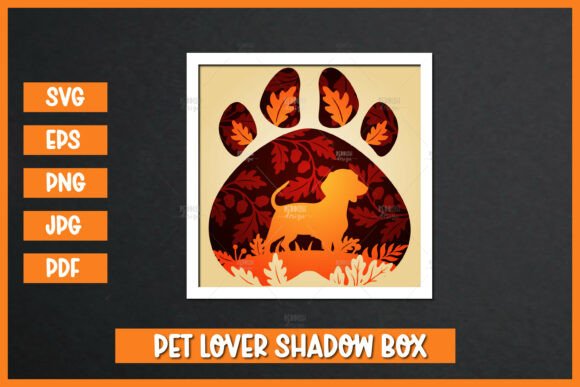
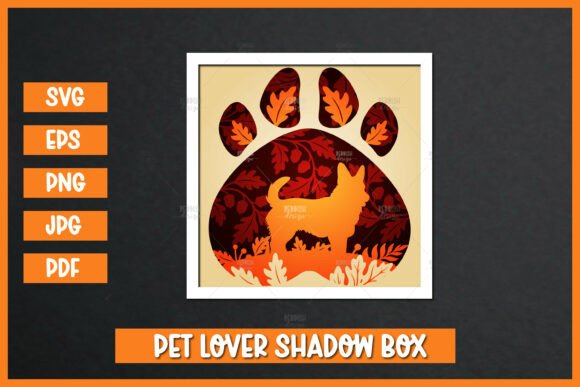
The initial mood of this design is undeniably warm and nostalgic. The "shadow box" style implies depth, which is a fantastic visual hook for customers browsing Etsy listings or craft fair tables. However, as an embroiderer, I immediately looked at the line work and separation of layers. In a true 3D paper cut style, the magic lies in the negative space and the distinct separation of foreground and background elements.
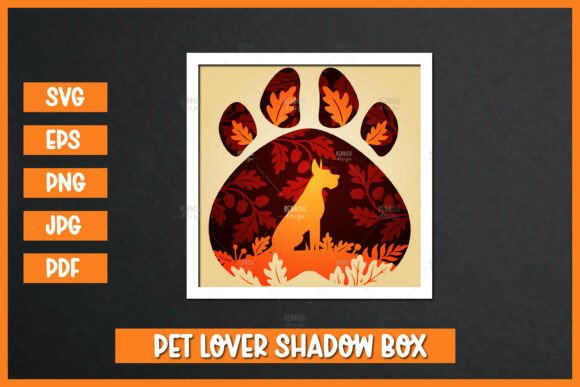
For embroidery, this means we are likely looking at a combination of running stitch outlines to define those paper-cut edges and fill stitch areas to create the solid planes of color. The Corgi’s iconic shape—those large ears and stout body—reads beautifully even in silhouette. My first impression is that this design has strong potential as an applique design or a multi-layered stitch-out where fabric texture plays a role in mimicking the paper layers. The 6x6 inch size noted in the product details is a versatile sweet spot; it is large enough to showcase detail on a sweatshirt but compact enough for a tote bag or pillow cover without overwhelming the canvas.
Real-World Application: The Custom Sweatshirt Test
To truly evaluate this asset, I mentally placed it in a current client scenario: creating a premium, embroidered crewneck sweatshirt for a dog lover’s boutique collection. The goal was a handmade product that felt high-end rather than mass-produced.
In this context, the Corgi Dog Shadow Box, 3D Paper Cut serves as more than just a cute dog graphic; it acts as a focal point that suggests craftsmanship. When stitching this onto French terry or fleece, the layered nature of the design allows for creative thread choices. I envision using a matte thread for the background shadow layers and a slight sheen or variegated thread for the Corgi itself to enhance the 3D effect. This contrast mimics the physical depth of actual paper cutting.
For small business owners and Etsy sellers, this design offers excellent merchandising potential. It works exceptionally well for:
- Nursery Decor: The soft, layered aesthetic fits perfectly on baby blankets or crib sheets, provided the stitch density is managed to keep the fabric pliable.
- Holiday Embroidery: With minor color adjustments, this Corgi transitions easily into Christmas or Valentine’s Day merchandise.
- Tote Bag Design: The 6x6 size sits perfectly centered on a standard canvas tote, creating a balanced composition that appeals to pet owners.
- Embroidered Patches: Because the design relies on distinct shapes, it can be adapted into a standalone patch if you add a merrowed edge border.
Technical Considerations and Fabric Limitations
While the visual appeal is high, practical execution requires caution. Not every fabric is suitable for a design inspired by intricate paper cutting. As an experienced reviewer, I must highlight where this digital embroidery file demands extra attention.
Avoid High-Pile Textures: The charm of a shadow box design is crisp definition. If you attempt this on thick terry cloth, plush minky, or heavy cable knit, the fine details of the "paper" layers may get lost in the fabric nap. Stick to smooth surfaces like quilting cotton, denim, canvas, or tight-knit jersey for the best clarity.
Stabilizer is Non-Negotiable: Layered art designs often involve multiple passes of registration. If your stabilizer shifts, the shadow effect will look muddy rather than dimensional. For stretchy fabrics like t-shirts or sweatshirts, use a high-quality cut-away stabilizer and consider a water-soluble topping to prevent stitches from sinking into the weave.
Small Hoop Sizes and Detail Loss: Although the native size is 6x6 inches, resizing down significantly can be risky. The internal details that create the 3D illusion may become too dense or merge together. Always check the minimum recommended size before scaling down for items like baby onesies or caps.
Dark vs. Light Fabrics: Shadow box designs rely heavily on contrast. On dark fabric, ensure your underlay is sufficient so that lighter top threads do not show the dark base through the stitches. Conversely, on white fabric, verify that the "shadow" layers are distinct enough to read as depth rather than dirt or staining.
Impact on Product Value and Customer Perception
Why choose a 3D SVG style over a standard flat cartoon? From a commercial embroidery standpoint, perceived value drives sales. Customers associate layered, dimensional art with higher effort and artistic intent. When a buyer sees a finished product featuring the Corgi Dog Shadow Box, 3D Paper Cut, they recognize it as a specialized handmade product rather than generic clip art.
This distinction matters for brand consistency. If you are building a shop identity around thoughtful, artisanal goods, this design aligns with that narrative. It photographs beautifully for printable mockups and social media because the implied texture catches light differently than flat fills. For digital product sellers offering finished items, this visual interest increases click-through rates and buyer engagement. It signals professionalism and an eye for trending aesthetics within the Dogs category.
Essential Designer Notes Before You Stitch
Before you load this file into your machine or list a finished item in your shop, please adhere to these professional best practices:
- Verify File Compatibility: The product includes EPS, JPG, and SVG formats. Note that these are primarily vector and image formats. If you intend to use this for machine embroidery, confirm whether a specific embroidery format (like DST, PES, or JEF) is included or if you will need to digitize the SVG yourself. Never assume an SVG is stitch-ready without verification.
- Test on Scrap Fabric First: Every machine handles tension differently. Run a test stitch-out on a scrap of your actual project fabric to check registration and density.
- Review Thread Color Contrast: Print out the JPG reference and hold it against your chosen fabric. Ensure the "shadow" layers provide enough separation from the main subject.
- Check Licensing Terms: Before selling finished products or using the design in commercial branding, review the specific license included in your ZIP folder. Confirm whether it covers physical product sales, digital resale, or both.
- Mockup Testing: Create black and white mockups alongside color versions. This helps you judge if the design holds up based purely on value and contrast, which is crucial for accessibility and visual impact.
The Corgi Dog Shadow Box, 3D Paper Cut is a delightful asset with significant potential for makers who understand how to translate digital layering into textile reality. By respecting the technical requirements of stitch density and fabric choice, you can transform this charming vector art into a premium embroidered product that resonates with dog lovers and appreciators of fine craft alike. Approach it with technical mindfulness, and it will serve as a standout piece in your creative portfolio.