Candy Cane Print Christmas Ornaments Review
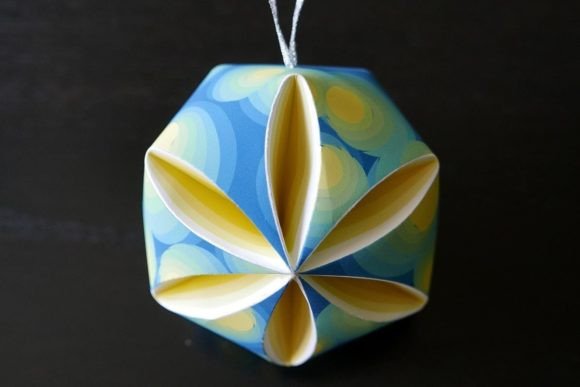
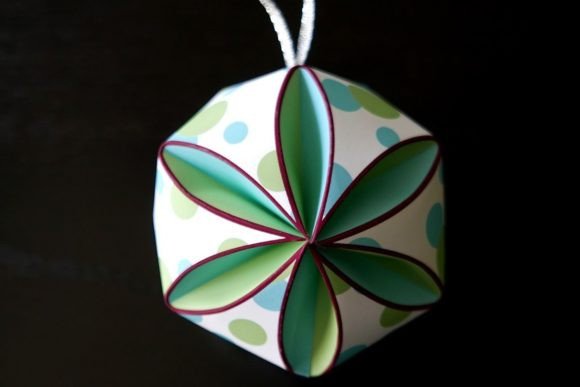
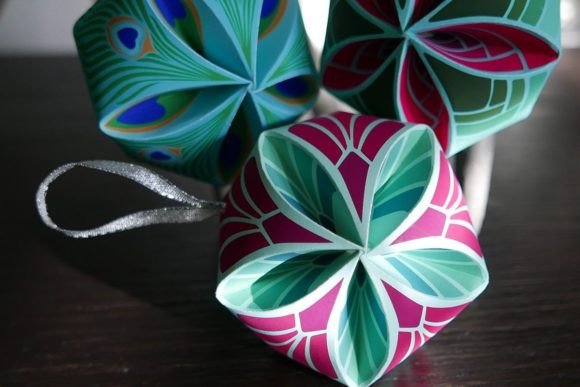
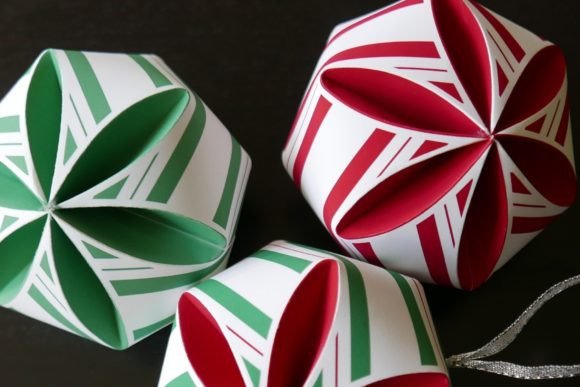
As a designer who spends more time behind an embroidery machine than at a computer screen, I approach every new digital asset with a healthy dose of skepticism. We have all downloaded files that look perfect in the preview software but turn into thread nests or distorted shapes once stitched out. When I first opened the Candy Cane Print Christmas Ornaments set by Printsables, I wasn't just looking for festive aesthetics; I was evaluating structural integrity for real-world production. This set features three distinct 3D globe designs, and while they are marketed as easy DIY projects, my focus was on how these 3D SVG assets translate when adapted for machine embroidery applications and mixed-media holiday products.
First Impressions and Design Personality
The visual mood of this collection is undeniably nostalgic yet clean. The candy cane print offers a classic Christmas motif that avoids looking dated, which is crucial for modern Etsy sellers and boutique owners targeting contemporary buyers. What stood out to me immediately was the balance between detail and negative space. In embroidery, clutter is the enemy of clarity. These globes possess enough geometric definition to read well from a distance on a tree or mantle, yet they retain the intricate line work necessary for high-quality digitizing.
For those of us creating personalized gifts, the layout feels intentional. The spherical shape provides a natural frame for monograms or year markers without requiring significant redesign. As a reviewer, I appreciate when a design respects the medium. These aren't just flat clip-art conversions; they understand dimensionality. Whether you are using them strictly as cut files for cardstock or adapting the vectors for applique design layers, the foundational geometry supports both workflows seamlessly.
Real-World Application: The Holiday Tote Bag Test
To truly evaluate the versatility of the Candy Cane Print Christmas Ornaments, I mentally prototyped a specific project: a custom embroidered canvas tote bag intended as a hostess gift. Tote bags are a staple handmade product because they offer a large, stable canvas, but they also demand durability. I envisioned using the largest globe design as a central focal point, executed with a combination of satin stitch borders and fill stitch interiors to mimic the printed texture digitally.
In this scenario, the design performs exceptionally well because of its scalable nature. Since the source is a vector-based digital embroidery file adaptation, resizing for a 5x7 hoop versus a 4x4 hoop shouldn't result in jagged edges or lost details. For a craft business owner, this scalability means one purchase covers multiple SKUs. You could stitch the full globe on a tote bag and scale it down significantly for a matching cosmetic pouch or napkin ring. However, success here depends entirely on your digitizing strategy. If converting the SVG yourself, ensure your stitch density accounts for the canvas weave; too dense, and the fabric puckers; too sparse, and the candy cane stripes lose their crisp contrast against the natural fabric tone.
Navigating Fabric Limitations and Stabilizer Choices
While the design is versatile, it requires careful consideration regarding substrate selection. During my evaluation, I noted potential challenges with textured fabrics like linen or burlap. The fine lines inherent in a candy cane pattern can get lost in heavy weaves unless you use a water-soluble topping or adjust your running stitch parameters to create stronger outlines. For baby embroidery projects, such as bibs or onesies, safety and comfort are paramount. The 3D globe shape is excellent here because it lacks sharp, protruding elements that could irritate sensitive skin, provided you keep the backside tidy with proper underlay.
I must caution makers about using this design on stretchy knits without adequate preparation. A circular design on a sweatshirt or t-shirt will distort into an oval if the stabilizer choice is incorrect. For sweatshirt embroidery, always pair this design with a cut-away stabilizer and potentially a fusible mesh to maintain the perfect sphere shape after washing. Dark fabrics present another variable; the candy cane print relies on high contrast. If stitching on navy or forest green velvet, verify your thread colors provide sufficient pop, or consider adding a white outline border to separate the ornament from the dark background. Always test on scrap fabric first to confirm registration and tension before committing to a final finished product.
Commercial Viability for Small Business Owners
For Etsy sellers and small shop product creators, time is money. The primary value proposition of the Candy Cane Print Christmas Ornaments is their adaptability across product lines. Beyond apparel, these designs are ideally suited for holiday embroidery on tea towels, pillow covers, and even embroidered patches. The circular format makes for efficient hooping and minimal repositioning, speeding up production runs during the peak Q4 season.
However, professional presentation matters. Before listing items featuring this design, create accurate printable mockups. Customers need to see how the ornament looks proportionally on a shirt chest versus a tote strap. Because this set includes three variations, you can bundle them as a "mix-and-match" collection, increasing perceived value. Just remember to check the licensing terms provided by Printsables specifically for commercial embroidery use. Never assume rights transfer automatically from paper crafting to apparel sales. Confirming this protects your business and builds trust with customers who expect authentic, licensed design assets.
Designer Notes for Optimal Stitch-Outs
If you plan to integrate these ornaments into your seasonal lineup, keep these practical tips in mind to ensure professional results:
- Verify Hoop Compatibility: Before purchasing, measure your physical hoops. While vectors scale infinitely, your machine has limits. Ensure the largest globe fits comfortably within your maximum embroidery area with room for clamps.
- Contrast Testing: View the design in black and white mode in your software. If the candy cane stripes disappear or blend into the globe body without color, your digitization needs higher contrast values or different stitch types.
- Layer Management: If combining this with text, place the lettering on a separate layer. This allows you to toggle visibility for quick customization without risking the integrity of the main ornament design.
- Washability Check: For items like kitchen towels or baby clothes that face frequent laundering, avoid excessive metallic threads in the detailed areas. Metallics can fray over time; standard polyester or rayon offers better longevity for functional custom apparel.
- Mockup Accuracy: When creating listings, do not rely solely on digital renders. Stitch at least one sample on the actual fabric you intend to sell. Photographing the real embroidery project builds significantly more buyer confidence than a perfect but artificial digital image.
Ultimately, the Candy Cane Print Christmas Ornaments represent a solid investment for makers who understand how to bridge the gap between digital design and tactile execution. They offer the festive charm required for holiday sales while providing the structural flexibility needed for diverse applications. Whether you are producing high-volume merchandise or crafting a singular heirloom gift, treating this design with technical respect will yield beautiful, profitable results. Always prioritize testing and material compatibility, and this set will undoubtedly become a seasonal staple in your creative arsenal.