Camel SVG: 3D Layered Mandala for Editorial Design
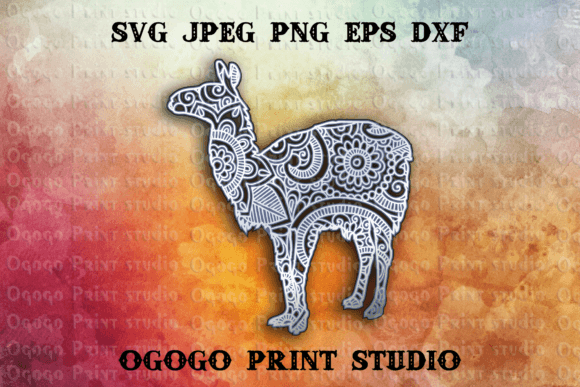
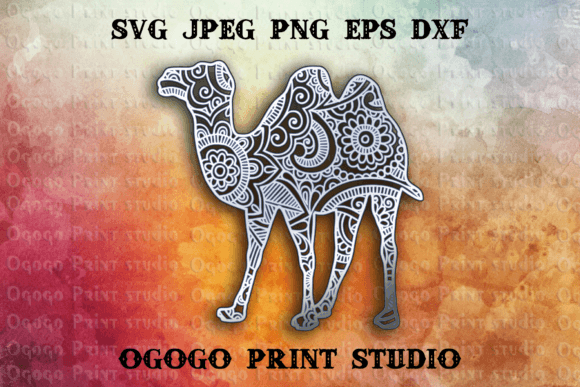
As a digital publisher and blog designer, I constantly evaluate graphic design assets not just for their aesthetic appeal, but for their functional utility in a real content workflow. When I first opened the Camel SVG - 3D Layered Mandala, my immediate assessment was that this is far more than a simple craft file; it is a sophisticated piece of editorial design with significant potential for niche publishing. The intricate, three-layer structure creates an immediate sense of depth and artistry that flat vectors often lack. For content creators operating in lifestyle, travel, cultural heritage, or artisanal niches, this asset establishes a mood that is both organic and meticulously crafted. It avoids the generic clip-art feel, offering instead a polished, bohemian elegance that signals quality to the reader before they even engage with the headline.
In the context of web design and content marketing, visual hierarchy is paramount. This multilayered mandala monogram serves as an excellent focal point because the 3D layering naturally draws the eye to the center. Unlike standard illustrations that can get lost against busy backgrounds, the dimensional aspect of this 3D SVG allows it to pop on featured images and hero sections. It feels distinctly feminine yet grounded, making it ideal for blogs focused on mindful living, desert aesthetics, spiritual wellness, or sustainable fashion. As a publisher, I value assets that carry emotional weight, and the camel motif combined with sacred geometry suggests journey, resilience, and balance—themes that resonate deeply with specific audience segments.
Strategic Applications Across Digital Publishing Channels
When integrating this asset into a live publishing environment, versatility is key. I have tested similar layered vector files across multiple formats, and the Camel SVG performs exceptionally well when adapted for high-impact visual touchpoints. For Pinterest pin creation, the verticality and central composition of the mandala provide a perfect frame for bold typography. The intricate details remain visible even at smaller thumbnail sizes, which is crucial for maintaining click-through rates in crowded feeds. In my workflow, I would utilize this as a recurring visual motif for a "Desert Wisdom" or "Artisan Spotlight" series, creating instant category recognition for returning visitors.
Beyond social media, this asset shines in digital product development. If you are creating a lead magnet, such as a meditation guide, travel journal, or cultural study workbook, the layered camel design elevates the perceived value of the PDF. It transforms a standard document cover into a premium printable design. For newsletter creators, using this graphic as a header accent or a divider breaks up text-heavy layouts without adding visual clutter. It also works beautifully within Canva templates for affiliate marketers promoting handmade goods or ethical brands, as the artistic style aligns perfectly with conscious consumerism narratives. Furthermore, knowing that 10% of the purchase supports charity adds a layer of ethical alignment that can be highlighted in your content, fostering deeper trust and community connection with socially responsible readers.
Enhancing Reader Trust Through Professional Visuals
We often discuss SEO and keywords, but brand identity is what converts traffic into loyal subscribers. Using high-quality design assets like this layered mandala demonstrates attention to detail. When a reader lands on a blog post featuring a custom-styled graphic rather than a stock photo, their perception of the site’s authority increases. This specific SVG supports content marketing strategies by providing a unique visual signature. In affiliate marketing, where trust is the currency, pairing product reviews with bespoke, artistic visuals helps differentiate your content from generic review sites. The 3D effect implies a level of production effort that mirrors the quality of the advice or products you are recommending.
For educators and coaches, this asset can serve as a visual anchor in slide decks or webinar thumbnails. The mandala structure inherently suggests organization and wholeness, which subconsciously reassures learners. When used consistently across a website header, social media graphics, and downloadable resources, it builds a cohesive visual language. This consistency reduces cognitive load for users, making your site easier to navigate and more memorable. The fact that this is a vector cutting file designed for precision means you can scale it for a massive banner or shrink it for a favicon without losing clarity, ensuring your branding remains sharp across all devices.
Optimizing Placement and Avoiding Visual Pitfalls
While the Camel SVG - 3D Layered Mandala is a powerful tool, experienced publishers know that placement dictates performance. This asset works best in spaces where it has room to breathe. Hero images, article thumbnails for creative categories, and dedicated landing pages for digital downloads are its natural habitats. However, caution is required in certain contexts. Avoid using this highly detailed graphic in small mobile navigation menus or as a background behind dense body text; the complexity will reduce readability. It is also less suitable for ultra-corporate, fintech, or medical niches where the bohemian aesthetic might clash with the required tone of clinical sterility or rigid professionalism.
Additionally, consider the color palette of your existing modern design system. While the SVG is customizable, its intricate layers require distinct color separation to maintain the 3D illusion. Placing low-contrast colors on adjacent layers will flatten the image and negate its primary selling point. Always preview the asset against your actual website background colors, not just in the design software. For small business branding, ensure the colorway complements your logo and typography rather than competing with them. The goal is enhancement, not distraction.
Technical Publisher Notes for Web Performance
Before deploying this creative design asset to a live site, run through a technical checklist to ensure optimal performance and legal compliance. First, test the rendering on both desktop and mobile screens; complex vectors can sometimes render inconsistently across browsers. Check the file size after conversion to PNG or WebP for web use; while vectors are lightweight, rasterized versions for blog posts must be compressed to maintain fast load times. Always verify the commercial license terms specifically for your intended use case, especially if you are incorporating the design into paid digital guides or monetized creative marketplace listings.
- Typography Pairing: Test the mandala beside serif fonts for an editorial look, sans-serif for modern contrast, and handwritten scripts for a personal touch. Ensure the font weight balances the intricacy of the vector lines.
- Contrast Testing: View the graphic in grayscale to ensure the 3D layers remain distinguishable without color cues. This ensures accessibility and visual clarity for all users.
- Thumbnail Preview: Shrink the design to 150px wide. If the camel silhouette and mandala details blur together, simplify the color blocking or increase stroke width for web-specific versions.
- Licensing Verification: Confirm that the charitable contribution aspect and commercial usage rights align with your business model before publishing affiliate or paid content.
- Format Flexibility: Keep the original vector file for print materials and large banners, but export optimized raster versions for daily blog graphics and social media posts to preserve site speed.
Ultimately, the Camel SVG - 3D Layered Mandala represents a valuable addition to the digital publisher's toolkit. It bridges the gap between crafting and professional editorial design, offering a unique visual voice that can elevate everything from Pinterest pins to premium digital products. By applying it strategically with attention to visual hierarchy, brand consistency, and technical optimization, you can transform standard content into a visually immersive experience that drives engagement and builds lasting reader trust.