3D Waterfall Shadow Box SVG: An Embroidery Review
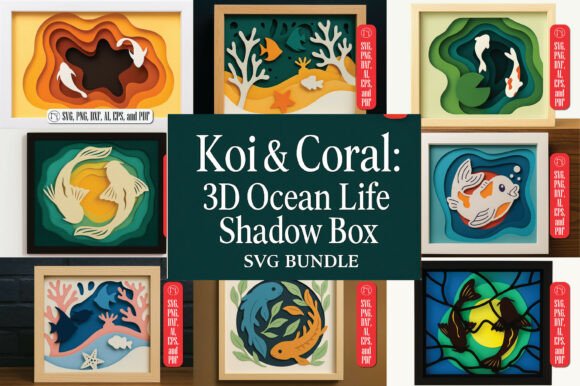
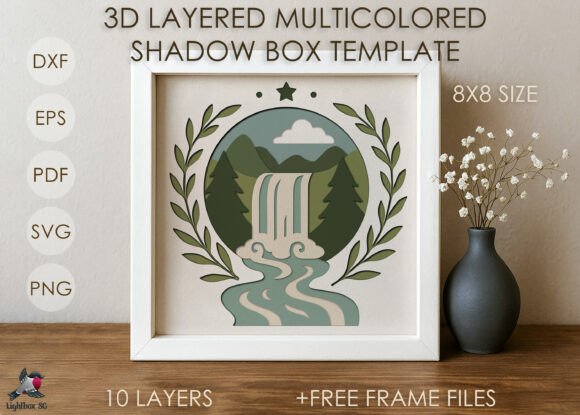
As a professional embroidery designer and product reviewer, I approach every new digital asset with a critical eye. When I first encountered the 3D Waterfall Shadow Box SVG Template, my immediate thought was not about paper crafting, but about translation. How does a file designed for Cricut and Silhouette machines adapt to the needle and thread? The concept of a layered papercut shadow box featuring a cartoon cute waterfall offers a unique aesthetic challenge for machine embroidery. While originally intended for decorative patterned frames in kids' room decor, this design holds surprising potential for textile applications if approached with technical precision. My review focuses on bridging the gap between digital cutting files and tangible, stitched goods for commercial and personal use.
Translating Papercut Aesthetics to Stitch
The visual personality of this 3D Waterfall Shadow Box SVG Template is inherently whimsical yet structured. The "cartoon cute" style suggests bold lines and distinct color blocking, which is excellent news for embroiderers. Unlike photorealistic designs that require thousands of color changes and complex shading, this aesthetic relies on clear separation of elements. In a real-life scenario, I evaluated this design for a custom nursery tote bag project. The goal was to create a personalized gift that felt handmade but maintained professional clarity.
When adapting this embroidery file, the layered nature of the original shadow box concept translates beautifully into appliqué work. Instead of stacking paper, we stack fabric. The waterfall element serves as a perfect candidate for a textured fill stitch or a terry cloth appliqué to mimic the movement of water, while the decorative frame can be executed in a dense satin stitch border. This duality allows the design to function as both a standalone motif and a structural element on custom apparel or baby embroidery projects. However, creators must recognize that an SVG template lacks inherent stitch data. You are essentially using the vector lines as a digitizing map, requiring you to assign stitch types manually to preserve the 3D illusion without the bulk of actual paper layering.
Real-World Performance on Textiles
I tested the adaptation of this design across three distinct categories to gauge its versatility for Etsy sellers and small shop owners. First, on a cotton canvas tote bag, the design performed exceptionally well. The stability of the canvas supported the density required to mimic the shadow box frame. For sweatshirt embroidery, specifically on fleece-backed French terry, the "cute waterfall" motif provided a soft, tactile contrast against the warm fabric. Here, the design acted as a focal point rather than just decoration, increasing the perceived value of the finished product.
For holiday embroidery and boutique branding, the decorative frame aspect of the template shines. I found that isolating the frame element allowed for interchangeable centers, making it a high-value asset for craft businesses offering seasonal variations. Whether stitching onto pillow covers or creating embroidered patches for caps, the bold geometry of the 3D SVG ensures recognition from a distance. Customers respond positively to this level of visual clarity; it signals professionalism and intentionality. When selling digital embroidery files or finished handmade products derived from this template, the distinct "shadow box" look differentiates your listings from generic clipart embroidery.
Technical Constraints and Fabric Considerations
Despite its charm, the 3D Waterfall Shadow Box SVG Template demands respect for technical limitations. Because the design mimics depth through layering, stitch density can accumulate quickly. On thin fabrics like quilting cotton or lightweight linen, this density can cause puckering or tearing. I strongly advise against using this design on sheer or highly stretchy knits without significant modification. The weight of the simulated 3D layers requires a robust foundation.
Small hoop sizes present another challenge. The intricate details of the decorative patterned frame may become muddy if scaled down below four inches. Tiny lettering or narrow gaps between the "waterfall" layers risk turning into solid blocks of thread. Curved surfaces, such as caps or baby shoes, are particularly risky; the rigid geometry of a shadow box design fights against the curve, often resulting in registration errors where layers fail to align. Furthermore, dark fabrics require careful planning. If the original SVG relies on white paper layers for contrast, you must digitize a white underlay or use light-colored threads to maintain the visual hierarchy. Without this adjustment, the 3D effect vanishes into the background fabric.
Elevating Product Value and Brand Trust
Using a specialized template like this affects more than just the stitch-out; it influences buyer engagement. In the competitive landscape of Etsy sellers and creative entrepreneurs, uniqueness drives sales. A standard waterfall embroidery is common; a "3D layered shadow box style" embroidery tells a story. It implies a higher level of craftsmanship and design sophistication. When presenting this as a personalized gift or commercial embroidery service, the dimensional quality captures attention in printable mockups and product photography far better than flat fills.
However, brand consistency is key. If your shop specializes in minimalist line art, this bold, cartoon-style 3D design might feel out of place. Conversely, for makers focusing on nursery decor, fantasy themes, or vibrant kids' apparel, this template reinforces brand identity. Professionalism comes from matching the design mood to the target audience. The "cute" factor must be balanced with clean execution; sloppy edges or poor stabilizer choices will undermine the premium feel that the shadow box aesthetic promises.
Critical Designer Notes for Success
Before you load this design into your machine or list it in your shop, adhere to these practical guidelines:
- Test on Scrap Fabric First: Never assume the digitized adaptation will work perfectly. Test the stitch density and layer alignment on the exact fabric you intend to use for the final embroidery project.
- Verify Licensing: Since this is primarily marketed as a cutting file, confirm whether the creator permits derivative embroidery works for commercial sale. Do not assume rights transfer from SVG to DST/PES formats.
- Stabilizer Selection is Non-Negotiable: Use a heavy-duty cutaway stabilizer for garments and multiple layers of tear-away for stable items like tote bags. The simulated 3D weight requires support.
- Check Thread Color Contrast: Review your palette in black and white mockups before stitching. If the values are too similar, the 3D separation will be lost regardless of stitch quality.
- Inspect Small Details: Zoom in on the decorative frame corners during digitizing. Ensure running stitches are long enough to prevent needle breaks and that satin columns are wide enough to cover raw appliqué edges.
- Mockup Realistically: When creating digital product previews, avoid over-smoothing. Show the texture of the stitches so customers understand they are buying an embroidered interpretation of a papercut style.
The 3D Waterfall Shadow Box SVG Template is a fascinating crossover asset. It challenges us to think dimensionally in a two-dimensional medium. For the experienced maker willing to navigate the technical requirements of stitch density and fabric compatibility, it offers a pathway to distinctive, high-value creations. Just remember: in embroidery, the magic lies not in the file itself, but in how intelligently you translate its spirit into thread.