3D Layered Hills with Sun Scene Papercut Review
As a professional embroidery designer and product reviewer, I approach every new digital asset with a critical eye. When evaluating the 3D Layered Hills with Sun Scene Papercut, my first thought isn't just about how pretty the vector lines are on a screen; it is about how those lines will translate into thread, tension, and texture on a physical substrate. This design, categorized under Ornaments and delivered as a 3D SVG, presents a unique opportunity for makers. It bridges the gap between traditional papercut aesthetics and modern machine embroidery design, but it requires specific technical considerations to ensure the finished product meets professional standards.
Translating Vector Depth to Stitched Texture
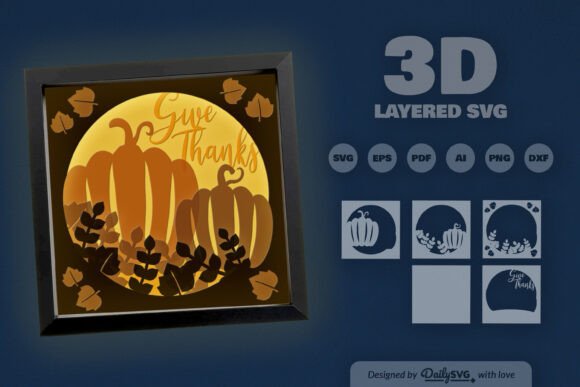
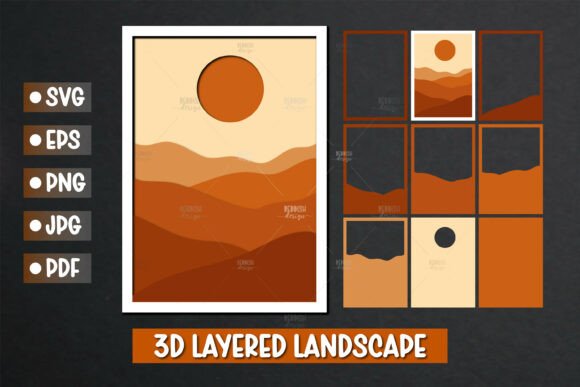
The visual personality of this design relies entirely on the illusion of depth. In a digital papercut file, layers create shadows and dimension instantly. In an embroidery project, we have to manufacture that depth manually. Upon reviewing the layout of the 3D Layered Hills with Sun Scene Papercut, I immediately assessed the separation between the foreground hills, the mid-ground landscape, and the sun element. For this to work as a high-quality handmade product, the digitizing must respect these boundaries.
If you are using this as an applique design, the layering is your best friend. However, if you are stitching this out as a standalone embroidery file without fabric layers, you must rely on stitch density and thread colors to mimic that papercut shadow effect. I recommend using a darker shade of fill stitch for the background hills and progressively lighter tones for the foreground. This creates optical depth that compensates for the lack of physical paper layers. The sun scene specifically demands attention; a dense satin stitch border here can define the shape against the hills, while a lighter fill stitch inside prevents the design from becoming too heavy or bulletproof on delicate fabrics.
Real-World Application: The Custom Tote Bag Test
To truly judge the viability of this design, I mentally placed it in a real-life scenario: creating a premium canvas tote bag for a boutique client who wanted a nature-inspired, boho-chic aesthetic. Tote bags are a staple for any Etsy seller or small shop product line because they offer a flat, stable surface ideal for detailed landscapes.
In this context, the 3D Layered Hills with Sun Scene Papercut shines as a centerpiece. Canvas provides enough structure to support the stitch count required for a layered look without puckering. However, because tote bags are functional items subject to wear, I had to consider durability. A pure running stitch outline might get lost in the canvas weave or fray over time. For this commercial embroidery application, I would advise reinforcing the outer edges of the hills with a slightly wider satin stitch or a bean stitch. This not only secures the design but also enhances the "layered" look by creating a raised boundary that catches the light, simulating the edge of cut paper.
For customers browsing your listings, this design communicates a sense of artisanal quality. It moves beyond generic clip art into something that feels curated and intentional. When used on a natural cotton tote, the contrast between the organic fabric texture and the precise geometric curves of the hills creates a sophisticated finished product that justifies a higher price point.
Navigating Fabric Limitations and Hoop Constraints
While the design is versatile, it is not universally forgiving. As an experienced reviewer, I must highlight where caution is necessary. The intricate nature of a 3D SVG converted to embroidery means there are likely multiple color changes and registration points.
- Stretchy Fabrics: Avoid using this design on lightweight knits or performance wear without significant modification. The density required to create the 3D effect can cause tunneling on stretchy fabric. If you must use it on a sweatshirt or t-shirt, opt for a heavier weight garment and use a cut-away stabilizer rather than tear-away to maintain registration between the hill layers.
- Small Hoop Sizes: Detail is the first casualty when shrinking a landscape scene. If your hoop size is limited to 4x4 inches, inspect the smallest elements of the sun and distant hills. Tiny lettering or thin connecting lines may turn into a muddy mess of thread. Always test the design at your intended size before committing to a full production run.
- Dark Fabrics: The papercut aesthetic usually relies on white or light backgrounds to show shadow. On dark fabric, you lose that natural contrast. You will need to stitch a white underlay or base layer first to make the colored hills pop, which significantly increases stitch count and production time.
Commercial Value and Brand Consistency
For creative entrepreneurs and digital product sellers, the value of the 3D Layered Hills with Sun Scene Papercut extends beyond a single stitch-out. It serves as a strong anchor for brand consistency in the nursery decor and holiday embroidery niches. The serene, layered composition evokes calmness, making it perfect for baby blankets, pillow covers, and personalized gifts.
When listing this as part of your inventory, presentation is key. Because this is a digital download (instant download ZIP folder containing SVG files only), you cannot photograph a physical sample provided by the seller. You must create your own printable mockup or stitch a sample to demonstrate feasibility. Buyers need to see that the 3D effect translates effectively. A flat, lifeless stitch-out will hurt customer trust. Show the design on a textured linen pillow or a framed hoop art piece to demonstrate its potential as wall art or home decor. This validates the design assets as professional-grade tools rather than amateur vectors.
Critical Designer Notes for Success
Before you load this embroidery file into your machine or list it in your shop, adhere to these practical protocols:
- Verify File Contents: Since you receive a ZIP folder with SVG downloadable digital items only, confirm immediately that the files are compatible with your specific embroidery software or cutting machine. Do not assume auto-digitizing will yield perfect results; manual cleanup is often required for complex layered scenes.
- Test Stitch Density: Run a test on scrap fabric identical to your final project. Check the back of the embroidery. If the bobbin thread is showing excessively on top, or if the fabric is distorting between layers, adjust your tension or reduce the density of the fill stitches.
- Stabilizer Selection: For a multi-layered scene like this, floating the fabric is risky. Hoop your stabilizer securely and baste the fabric down. Registration marks are vital; if the sun doesn't align perfectly with the hills, the 3D illusion breaks instantly.
- Licensing Check: Before selling finished products or incorporating this into commercial embroidery projects, review the license terms included in your download. Ensure you have the right to sell physical items made from this digital embroidery file.
- Mockup Strategy: Create black and white mockups alongside colored versions. This helps you evaluate the value contrast independent of hue, ensuring the design reads clearly even in monochromatic embroidery styles.
Final Verdict for Makers
The 3D Layered Hills with Sun Scene Papercut is a compelling asset for the thoughtful maker. It offers a distinct alternative to standard floral or monogram designs, allowing for storytelling through landscape and depth. Whether you are crafting a custom apparel piece, designing an embroidered patch for outdoor gear, or building a collection of nursery decor, this design brings a modern, artistic flair.
However, success lies in the execution. Treat the SVG as a blueprint, not a guarantee. Your expertise in stabilizer choice, thread selection, and fabric pairing is what transforms a digital file into a cherished handmade product. By respecting the technical demands of translating a 3D papercut style into thread, you elevate your craft business and deliver a level of quality that discerning customers recognize and appreciate. Always prioritize testing and fabric compatibility, and this design will serve as a beautiful addition to your embroidery repertoire.