3D Layered Christmas Numbers 0-9 SVG Review
As a designer who bridges the gap between digital cutting files and needlework, I approach every new asset with a specific question: will this actually translate to thread? The 3d Layered Christmas Numbers 0-9 Svg immediately caught my attention not just as a laser cutting file, but as a potential blueprint for mixed-media embroidery. While the product description highlights compatibility with Cricut, Silhouette, Glowforge, and CNC machines, my evaluation focuses on how these layered vectors perform when adapted for textile applications. For fellow embroidery designers, Etsy sellers, and makers, understanding the crossover potential of this design is key to maximizing its value in your holiday lineup.
First Impressions: Dimensional Depth and Holiday Nostalgia
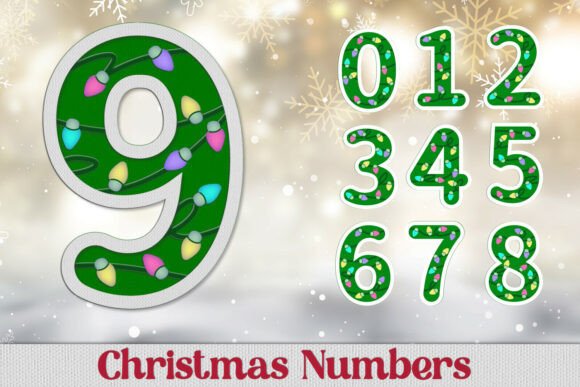
The visual personality of this machine embroidery design adaptation leans heavily into tactile nostalgia. Unlike flat, single-layer digitizations, the "3D layered" aspect suggests depth that mimics traditional paper crafting or wood stacking. When I first opened the file, the clean lines and distinct separation of layers stood out. This is crucial because, in embroidery, we rely on clear boundaries for appliqué placement and stitch definition. The numbers possess a chunky, substantial weight that feels appropriate for Winter Christmas themes without being overly intricate or fragile.
For a handmade product, this aesthetic communicates quality. It avoids the cheap, clip-art look that can plague holiday merchandise. Instead, it offers a structured, architectural feel that pairs beautifully with textured fabrics like wool felt, velvet, or heavy cotton canvas. As a digital embroidery file resource, it provides a solid foundation for creating projects that look expensive and thoughtfully constructed, which is exactly what discerning customers are looking for during the competitive holiday season.
Real-World Application: Customizing a Holiday Mantel Stocking
To truly evaluate this asset, I mentally prototyped a specific project: a personalized family stocking set for a client who wanted a modern farmhouse aesthetic. This is where the 3d Layered Christmas Numbers 0-9 Svg shines as a versatile tool. Rather than embroidering the entire number in dense fill stitches—which can result in a stiff, bulletproof patch on soft fabric—I envisioned using the SVG layers as a guide for a mixed-media approach.
In this scenario, I would use the base layer for a satin stitch border or a raw-edge appliqué on cream linen. The subsequent layers could be cut from contrasting felt using a cutting machine (leveraging the file’s native format) and then stitched down with a decorative running stitch. Alternatively, for those strictly doing machine work, the layered vector paths serve as perfect templates for digitizing multi-fabric appliqué. This method reduces stitch density significantly compared to full-coverage embroidery, keeping the stocking soft and pliable while still delivering that high-impact 3D visual. For an Etsy seller or small shop owner, this hybrid workflow speeds up production time and lowers thread costs while increasing the perceived value of the finished item.
Navigating Fabric Limitations and Hoop Constraints
While the design is robust, practical judgment requires acknowledging where it might struggle. The bold, layered nature of these numbers demands space. If you are working with small hoop size limitations, such as a 4x4 inch area, you may lose the defining shadows and highlights that create the 3D effect. Compressing the design too much can cause registration issues, especially if you are aligning multiple fabric layers or dense stitch sections.
Fabric choice is equally critical. I would advise against using this design on thin, stretchy knits or lightweight performance wear. The structural integrity of a 3D layered concept, whether achieved through actual fabric layers or dense simulated stitching, requires a stable base. A flimsy t-shirt will pucker under the weight. Instead, reserve this embroidery project for stable substrates like denim jackets, canvas tote bags, pillow covers, or quilt blocks. If you must use a lighter fabric, heavy-duty stabilizer is non-negotiable. Furthermore, be cautious with highly textured fabrics like terry cloth or faux fur; the intricate layering details can get lost in the pile, negating the design's primary selling point.
Elevating Product Value and Customer Trust
In the crowded market of holiday embroidery, presentation dictates price. Using a well-structured asset like the 3d Layered Christmas Numbers 0-9 Svg signals professionalism. Customers can intuitively tell the difference between a hastily digitized font and a purpose-built dimensional design. The intentionality of the layers translates to a premium feel in custom apparel and home decor.
For creative entrepreneurs, this design also serves as an excellent asset for marketing. Because the SVG format is scalable and crisp, you can create high-quality printable mockup images for your listings before you even stitch a single sample. You can overlay the design onto digital sweater or bag templates to test color combinations and gauge buyer interest. This capability is invaluable for commercial embroidery businesses managing tight deadlines. Additionally, offering variations—such as a fully stitched version alongside a laser-cut appliqué kit—diversifies your revenue streams and appeals to both buyers of finished goods and fellow makers seeking design assets.
Essential Designer Notes Before You Stitch
Before committing this design to a sellable product, please adhere to these practical checkpoints:
- Verify Licensing: The provided description mentions cutting machine compatibility but does not explicitly state commercial embroidery licensing terms. Always confirm whether you have the rights to sell finished embroidered products or modified digital files before listing them in your shop.
- Test Stitch Density: Since this originates as a cutting file, ensure your digitized version has appropriate underlay and pull compensation. Vector lines do not account for fabric push-and-pull; you must adjust for this during the digitizing or adaptation phase.
- Contrast Check: Test the design in black and white first. If the 3D effect relies solely on color contrast rather than value contrast, it may look flat in certain lighting or on similar-toned fabrics.
- Stabilizer Strategy: For layered looks, consider using fusible web or basting spray to secure fabric layers before stitching. This prevents shifting and ensures the crisp edges that define the 3D aesthetic.
- Scale Appropriately: Do not force this design into a tiny space. If your project requires a number smaller than two inches, look for a simplified version or a standard font. The charm of this specific asset lies in its dimensionality, which needs room to breathe.
Ultimately, the 3d Layered Christmas Numbers 0-9 Svg is a powerful tool for makers who understand how to translate digital precision into textile warmth. Whether you are creating a signature personalized gift line or expanding your boutique’s holiday collection, treating this file as a structural blueprint rather than just a graphic will yield the most professional and profitable results. Happy stitching!